
⏳ 3 min
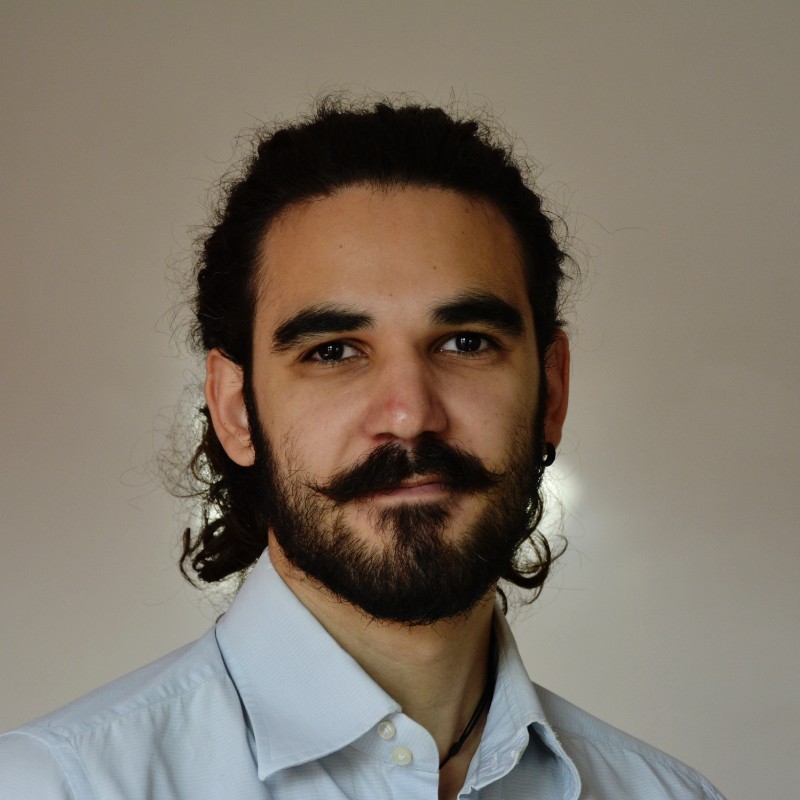
Next week my experience as a research assistant is coming to an end.
The journey began nearly two years ago, when my supervisor prof. Veronese brilliantly noticed there were issues with neuroimaging data management practices in the Department of Information Engineering of the University of Padua and wanted to improve them. What could have been better than hiring an ICT engineer?
Well, there was a problem. The ICT engineer did not know anything about bioengineering and in particular neuroimaging. His knowledge was confined to what he learned from the first two years of high school. No worries! My talented colleagues welcomed me and patiently answered my questions, even the most basic and trivial ones.
Along the way, we realized something eye-opening: we were not the only ones struggling to wrangle huge volumes of complex data. Indeed, the survey we disseminated revealed that nearly 80% of the neuroimaging researchers who responded still organize their images and subject information the old-fashioned way—by hand, in folders. Think about it for a second. In the Big Data era, where Artificial Intelligence analytics require huge volumes of data, researchers are left manually sorting through thousands of directories filled with different image formats and sensitive text documents. It is the digital equivalent of managing a medical library by hand, one index card at a time—except those cards hold sensitive patient information.
Although data management tools exist, particularly in the neuroimaging field, the responses from the 20% of researchers who do use them were so varied that it became clear there is no one-size-fits-all solution. While each platform offers unique features, none of them provided what our department truly needed: the ability to integrate multiple datasets and make all their files easily searchable. Therefore, we developed our own platform.
Starting from an abandoned project, I acquired the necessary skills in web development while designing a database tailored for the specific needs alongside my experienced colleagues. We built a data management platform that not only integrates neuroimaging datasets (we manage also to input a cardiac dataset!), but also offers powerful tools to search across all files metadata and even certifies outputs using blockchain technology, enhancing the system’s reliability and accountability.
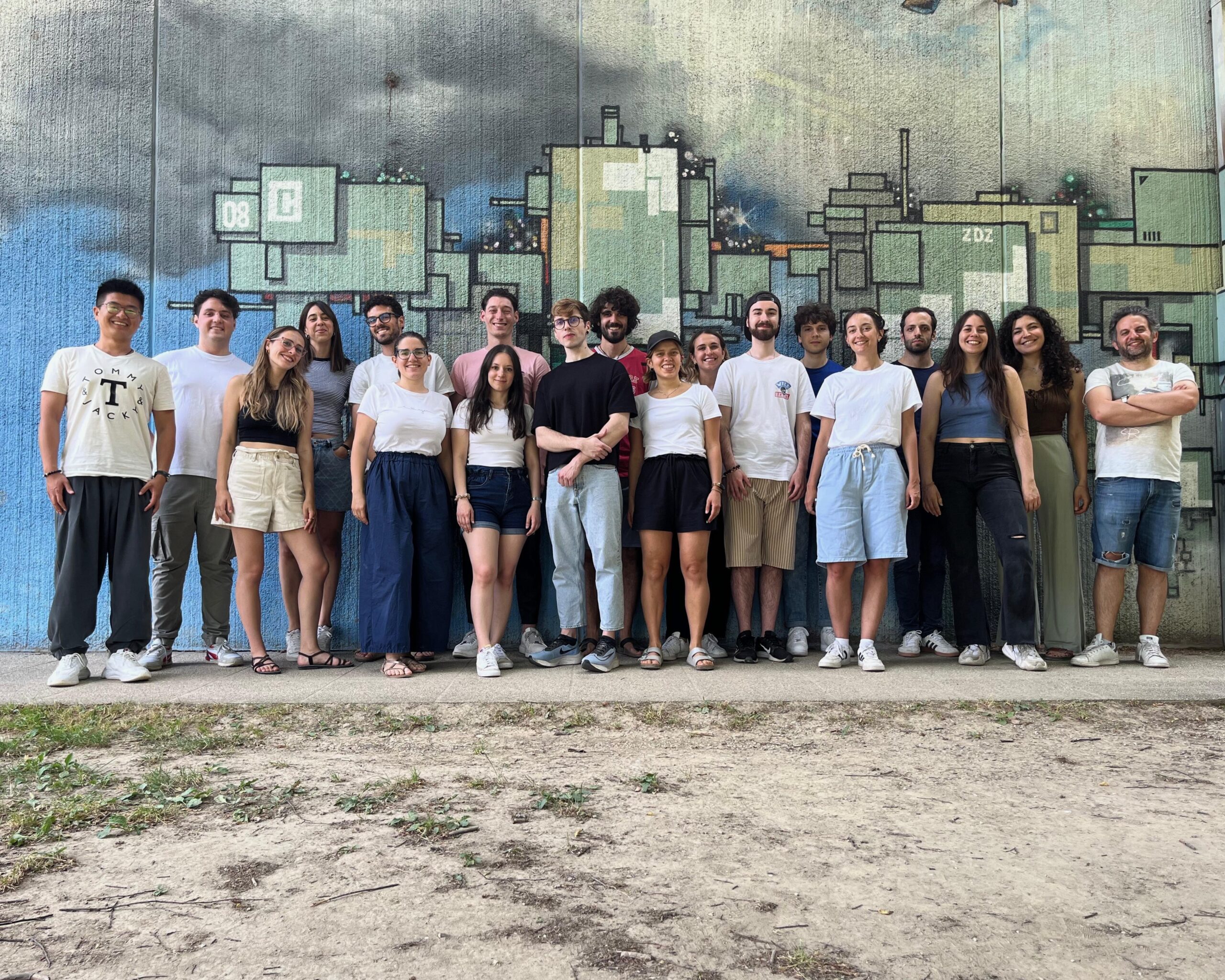
I feel grateful for the people I have met along the way, the knowledge they have shared, and the skills I have been able to grow. I hope my work can be a help to them and the whole medical imaging community.
• • •
La prossima settimana la mia esperienza come research assistant giungerà al termine.
Il percorso è iniziato quasi due anni fa, quando il mio supervisore, il prof. Veronese, notò brillantemente che esistevano problemi nelle pratiche di gestione dei dati di neuroimaging nel Dipartimento di Ingegneria dell’Informazione dell’Università di Padova e volle migliorarle. Cosa poteva esserci di meglio che assumere un ingegnere ICT?
Beh, c’era un problema. L’ingegnere ICT non sapeva nulla di bioingegneria e, in particolare, di neuroimmagini. Le sue conoscenze erano limitate a ciò che aveva imparato nei primi due anni di scuola superiore. Nessun problema! I miei talentuosi colleghi mi hanno accolto e hanno pazientemente risposto alle mie domande, anche le più basilari e banali.
Durante il percorso, ci siamo resi conto di qualcosa di sorprendente: non eravamo gli unici a lottare con enormi volumi di dati complessi. Infatti, il sondaggio che abbiamo diffuso ha rivelato che quasi l’80% dei ricercatori in neuroimaging che ha risposto organizza ancora immagini e informazioni sui soggetti alla vecchia maniera—manualmente, in cartelle. Pensateci un attimo. Nell’era dei Big Data, in cui l’analisi tramite Intelligenza Artificiale richiede enormi volumi di dati, i ricercatori si trovano a dover gestire manualmente migliaia di directory contenenti diversi formati di immagini e documenti testuali con informazioni sensibili sui pazienti. È l’equivalente digitale di gestire una biblioteca medica a mano, una scheda alla volta—solo che quelle schede contengono dati sensibili dei pazienti.
Sebbene esistano strumenti per la gestione dei dati, in particolare nel campo del neuroimaging, le risposte del 20% dei ricercatori che li utilizzano erano così diverse tra loro da farci capire che non esiste una soluzione valida per tutti. Pur offrendo ciascuna piattaforma funzionalità uniche, nessuna forniva ciò di cui il nostro dipartimento aveva davvero bisogno: la possibilità di integrare più dataset e rendere tutti i file facilmente ricercabili. Per questo motivo, abbiamo sviluppato la nostra piattaforma.
Partendo da un progetto abbandonato, ho acquisito le competenze necessarie nello sviluppo web progettando un database su misura per le esigenze specifiche insieme ai miei colleghi esperti. Abbiamo costruito una piattaforma di gestione dei dati che non solo integra dataset di neuroimmagini (siamo riusciti persino a inserire un dataset di dati cardiaci!), ma offre anche potenti strumenti per cercare tra i metadati di tutti i file e certifica persino gli output utilizzando la tecnologia blockchain, aumentando l’affidabilità del sistema.
Sono grato per le persone che ho incontrato lungo il percorso, per le conoscenze che hanno condiviso e per le competenze che ho potuto sviluppare. Spero che il mio lavoro possa essere di supporto a loro e all’intera comunità dell’imaging medico.
Leave a Reply